Physiologic Regeneration Lab
The Shah lab studies Physiologic Regeneration: whether the airway restores not only its cellular architecture but also its biological function after injury.
We work at the intersection of stem cell biology, developmental biology, and epithelial physiology to understand why regeneration so often rebuilds structure while leaving function behind.
Our central hypothesis is that this gap — restored cell fate without restored function — is a shared pathophysiologic mechanism underlying cystic fibrosis, COPD, bronchiectasis, post-viral lung disease, and other conditions where the airway never fully recovers.
The Vision
Our goal is to make regeneration functional not just anatomical
Our Science
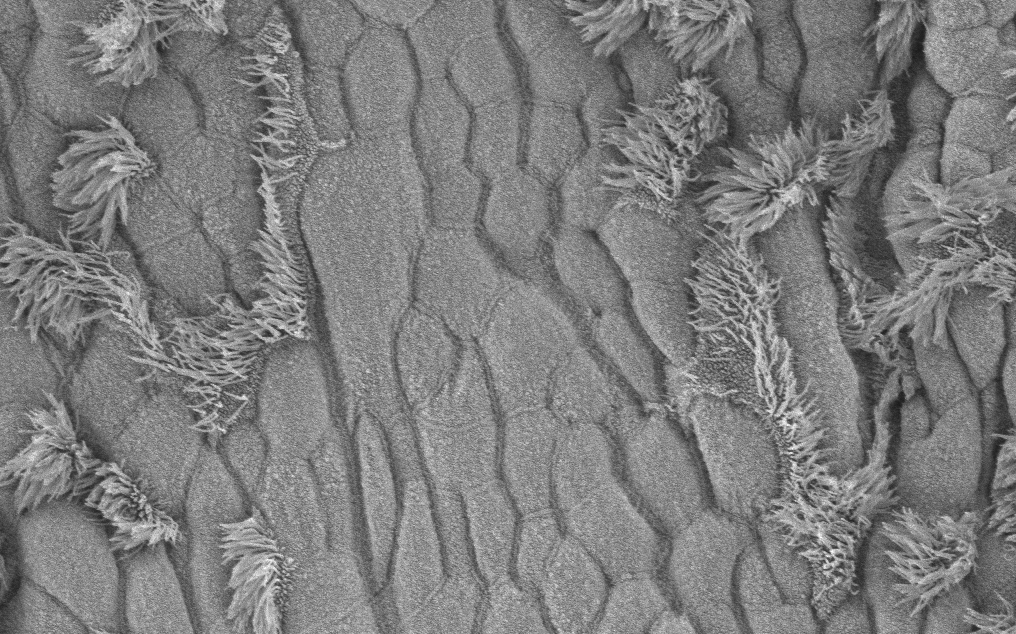
Clinically, we see a paradox. After injury, the airway surface is reconstituted. All the cell types are made. And yet there remains a persistent susceptibility to infection and further injury.
Our approach fuses developmental biology and physiology to interrogate this paradox. Using mouse genetics, stem cell biology, human airway models, quantitative airway surface physiology assays, and novel live-imaging approaches, we dissect the molecular and cellular pathways that become aberrant during regeneration and predispose to chronic diseases.
Our Mission
Our ultimate goal is to decipher the underlying pathophysiology to identify new therapeutic targets that can be used to help people. Our mantra is to dissect fundamental biology with creative insight to improve lives. This vision depends on team science and close collaborations with investigators across physiology, cell biology, pathology, and clinical medicine.
Our Team
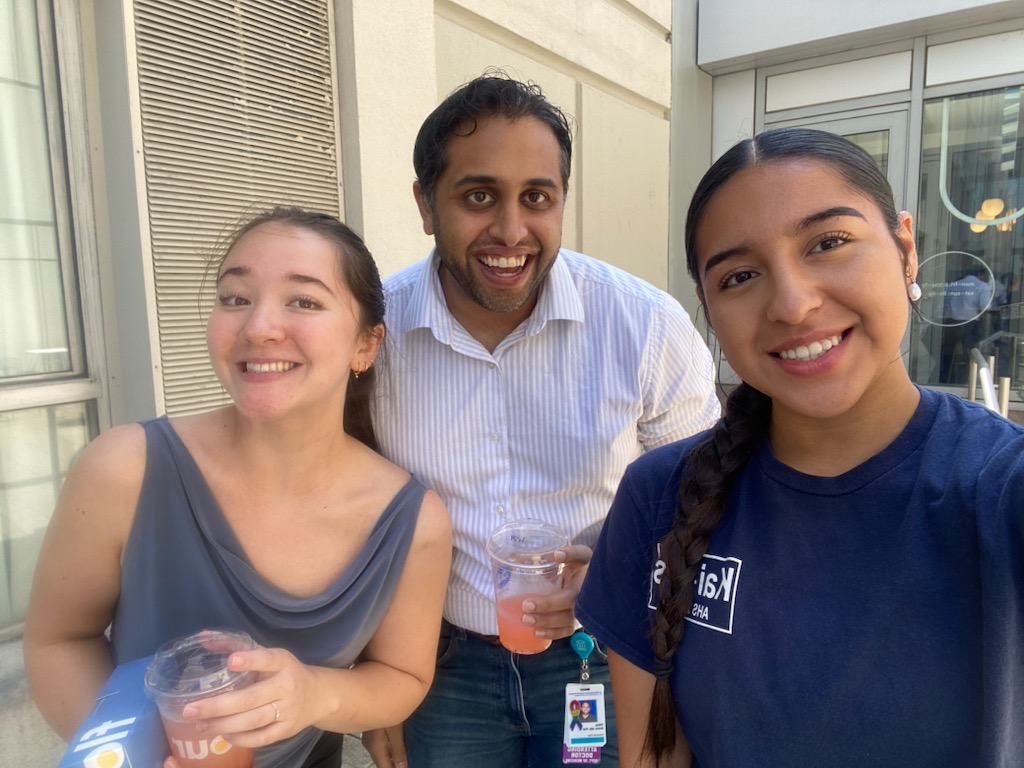
We are building something here that is bigger than any single paper or discovery. Everyone who leaves this lab will be ready to ask bold questions, do rigorous work, and make a difference. This lab runs on genuine collaboration: we push each other’s thinking, cover each other’s blind spots, and celebrate each other’s wins as our own. We do the work and we have fun doing it — because a community that actually enjoys being together does better science.