Science
We study Physiologic Regeneration. This is a fusion of stem cell biology and physiology to define how function is restored after regeneration. We use the airway surface epithelium as a model system as it is constantly exposed to the environment and must recover after injury. The airway also performs a number of vital measurable physiologic outputs.
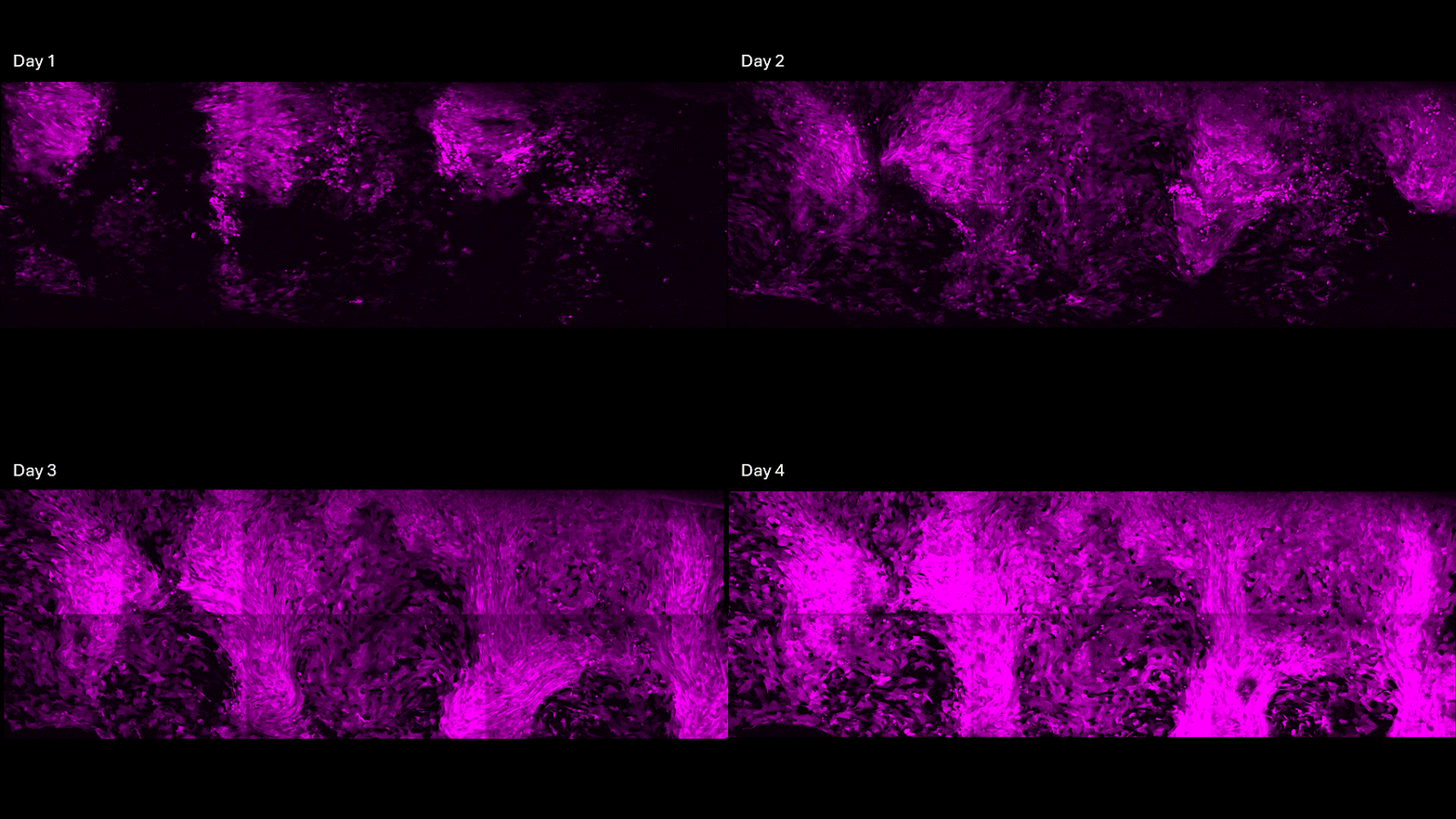
Hillocks Survive Injury and Regenerate the Surface Epithelium
We recently discovered the function of a new airway stem cell called the hillock. The hillock survives severe injury. The stem cells within the hillock then proliferate and regenerate the airway surface, differentiating into all the different airway epithelial cell types. Image shows a video of hillock cells in magenta, surviving severe injury, expanding, migrating and regenerating the airway surface.
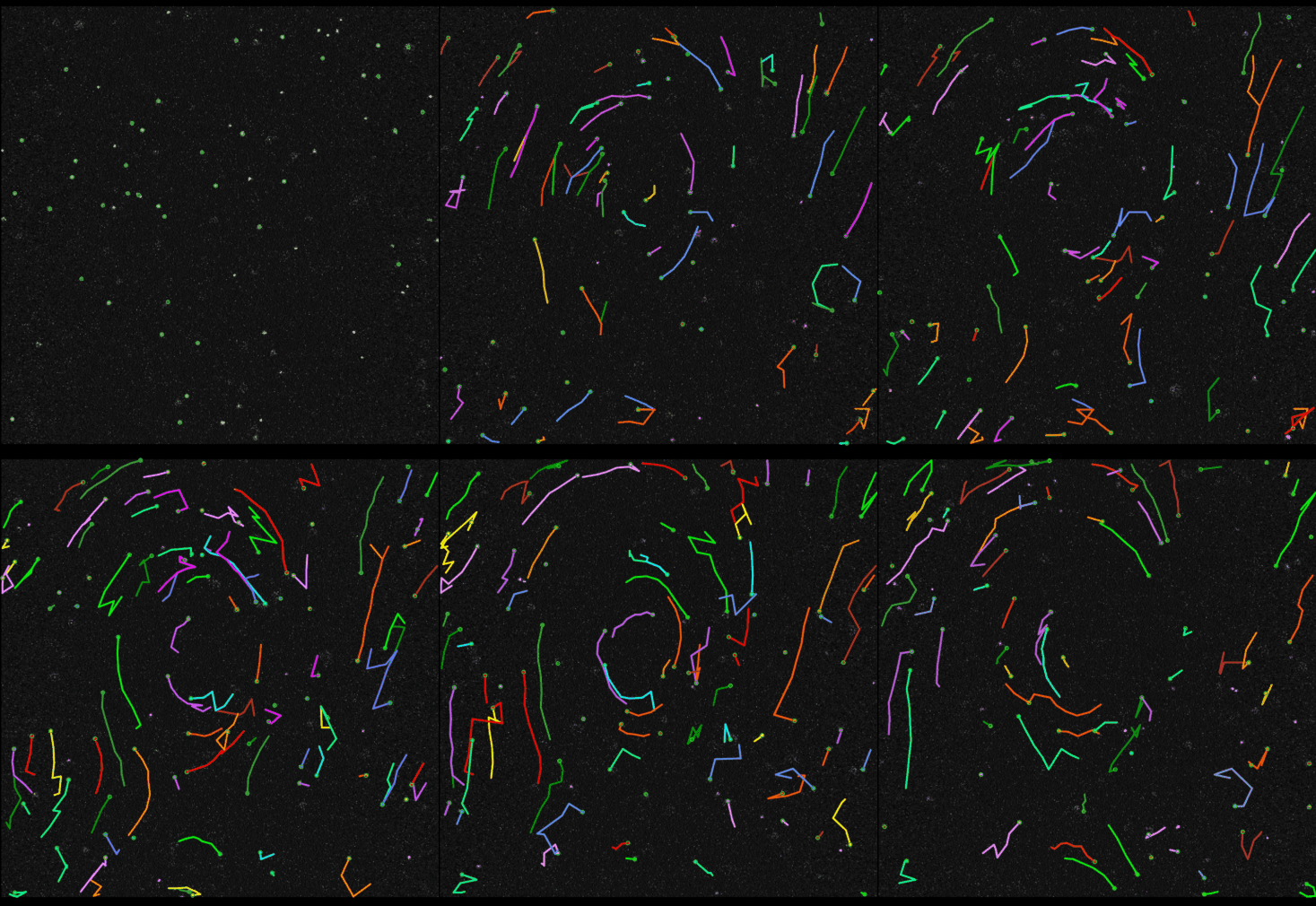
Do Hillocks Restore Surface Physiology?
The major question is whether after hillock regeneration, is airway physiology restored? We investigate various physiologic outputs like mucociliary transport, ion transport, and bacterial killing to assess whether these critical physiologic outputs function normally. As an example, you see mucociliary transport captured by nanoparticle live imaging showing abnormal directional transport in a “hurricane”. Our lab assesses physiology and deciphers the cell biology and molecular mechanisms underlying this dysfunction.
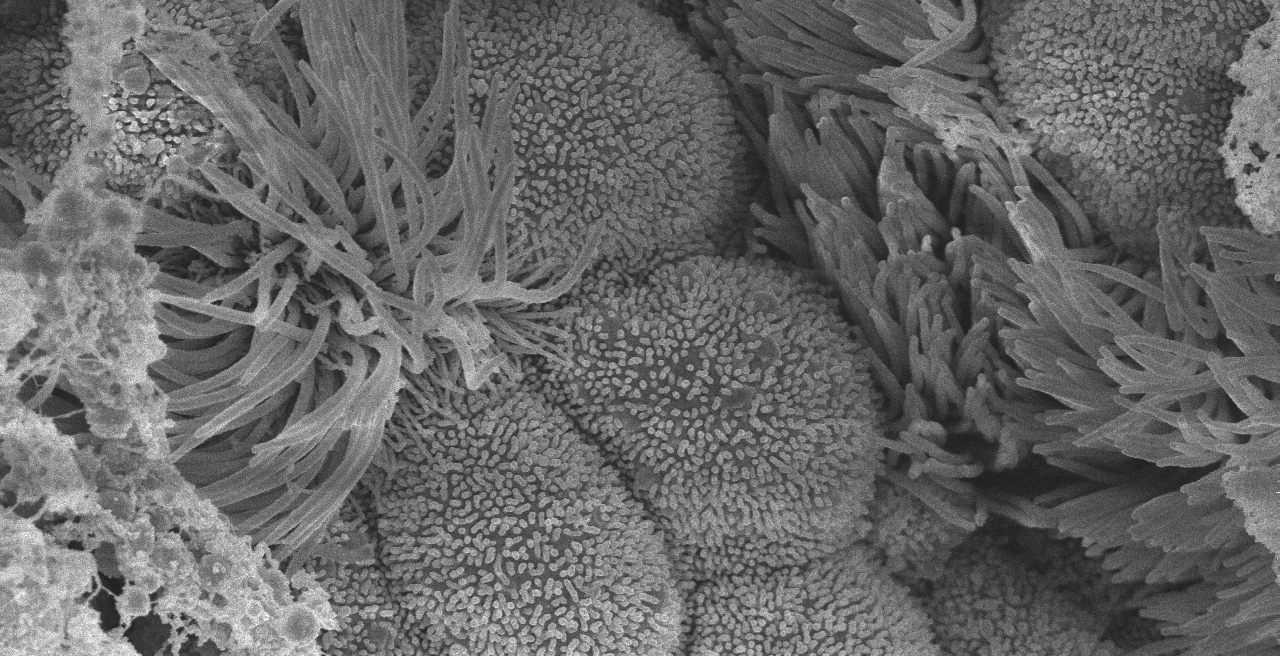
Targeting the Hillock for Gene Therapy
Diseases like Cystic Fibrosis and Primary Ciliary Dyskinesia are caused by defective genes in the airway epithelium. If we can restore the defective genes in airway stem cells, we may be able to improve these diseases for countless people. As the hillock is the primary stem cell source for regenerating the airways, if we are able to apply gene therapy to hillock stem cells, we may be able to develop a durable and effective treatment.